Non-halogenated flame retardant
The De Grandi intumescent flame retardant for polyolefins: phosphorus and nitrogen, no halogens, UL 94 V-0 classification.
The chemistry
The intumescent flame retardant DG HF 2000 is a halogen free additive developed for polyolefins: polypropylene, polyethylene and EVA. It is a composition based on phosphorus and nitrogen molecules.
DG HF 2000 is registered under regulation (EC) 1907/2006 “REACH”, registration number 01-0000018565-64-0000.
The tests
The characteristics of halogen free flame retardants are principally assessed through the UL 94 Vertical Burn Test, which ranks products by performance: class V-0 indicates the best result, with the flame self-extinguishing and no dripping of the specimen; V-2 indicates lower performance, with flaming drips.
The DG HF 2000 additive allows a V-0 classification in the UL 94 test to be achieved. It is also characterised by a high oxygen index (LOI) — the minimum oxygen concentration at which combustion is sustained — particularly when compared with halogenated products.
It has been successfully tested achieving class B s1 d0 under UNI EN 13501-1, the standard on the reaction to fire of construction products.
The benefits
The chemical nature of this flame retardant — phosphorus and nitrogen — and the absence of halogens deliver better performance in a fire, and have a positive effect on the material it is used in.
Cable applicationsNegligible emission of CO, hydrogen cyanide (HCN) and nitrogen oxides (NOx).
Fumes stay thin: visibility is preserved along escape routes.
Less corrosive fumes for surrounding equipment and structures.
Reduced contribution to feeding the fire.
Homogeneous carbonaceous structure with closed cells: an effective barrier.
Good retention of mechanical properties, UV and colour stability, ageing resistance.
Lower dosage than inorganics such as ATH and magnesium hydroxide.
Superior performance compared with ammonium polyphosphate based systems.
FAQ
DG HF 2000 is the flame retardant produced by De Grandi: an intumescent, non-halogenated additive based on phosphorus and nitrogen, developed for polyolefins such as polypropylene, polyethylene and EVA. It allows a V-0 classification to be achieved in the UL 94 test and is registered under REACH.
DG HF 2000 allows a V-0 classification in the UL 94 Vertical Burn Test, the highest available: the flame self-extinguishes and there is no dripping of the specimen. It is also characterised by a high oxygen index (LOI) and has been successfully tested achieving class B s1 d0 under UNI EN 13501-1.
It is suitable for polyolefins and compounds based on them: polypropylene (PP), polyethylene (PE) and EVA. It originated in the Montell laboratories, now Basell, and was developed under exclusive licence at De Grandi as an additive for these polymers.
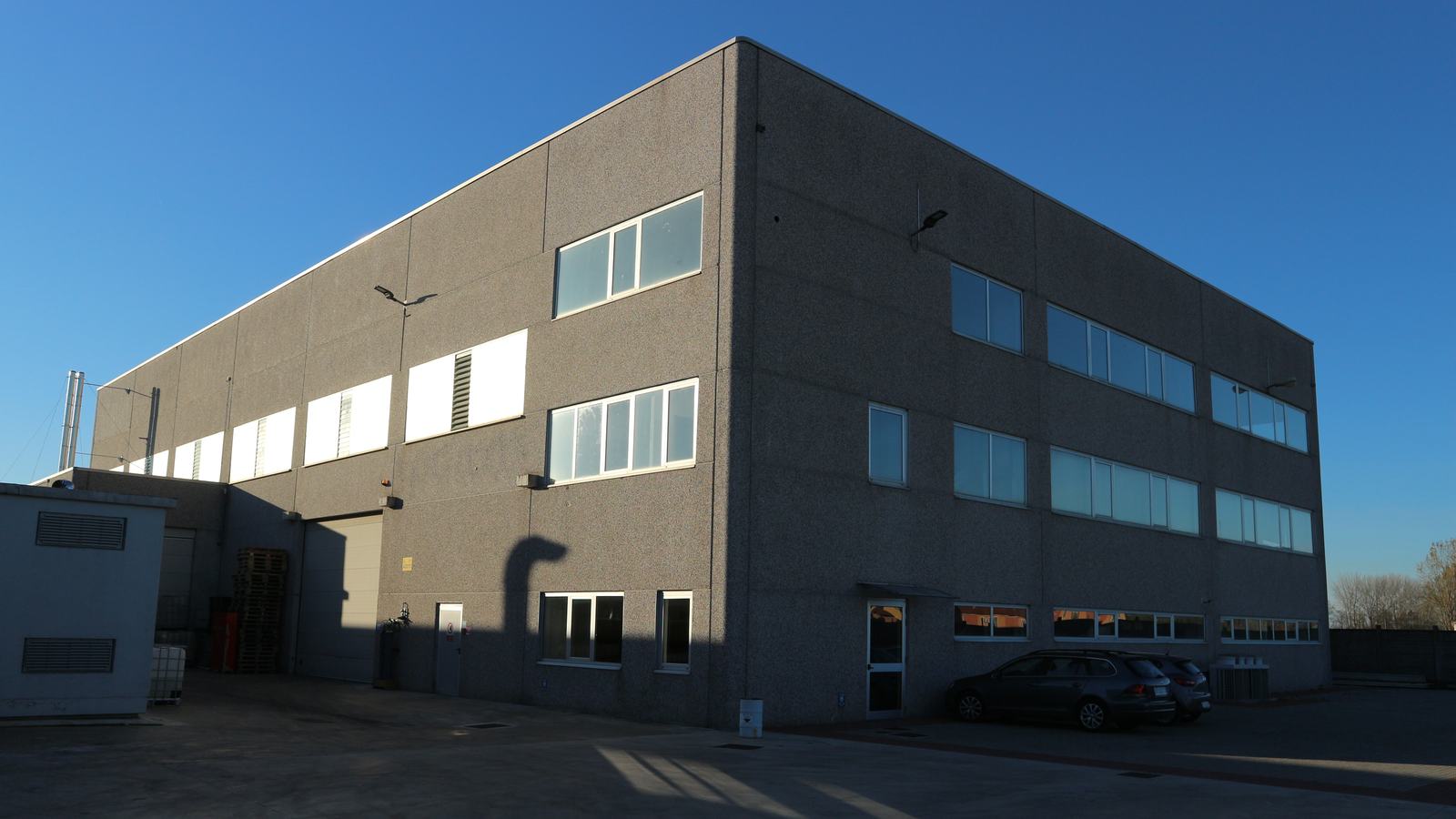
DG HF 2000 is synthesised at the De Grandi plant in Tromello, in the province of Pavia, Italy, where the product is refined in-house. To evaluate its use on your compound and receive technical information you can contact the company on +39 0382 868402 or at info@degrandisrl.it.
