Products and applications
Fillers and metal oxides treated with jet-mill plants for the rubber and plastics industry.
The range
De Grandi produces and processes micronized powders for the rubber and plastics industry: various types of fillers and metal oxides of zinc and magnesium.
These are materials that go into compounds as functional additives, where the quality of the dispersion directly affects the properties of the finished product. Micronization is what makes that dispersion possible.
AT 820
The flagship product is AT 820 micro GV zinc oxide, used by De Grandi customers for more than twenty years. A long service life in an industrial market is itself a quality indicator: compounders do not keep a material in their formulation for two decades unless it performs consistently.
It is not the only one: the products marketed and processed by De Grandi for the rubber industry include various types of fillers and metal oxides of zinc and magnesium.
Contract micronizationThe benefit
A micronized powder has a much larger specific surface area than the same material in coarse form. In a compound this means the additive distributes more uniformly through the mass and acts more effectively at the same dosage.
The opposite case is just as telling: above roughly 45–50 microns powders tend to form agglomerates, clusters that the mixing process struggles to break up. Those agglomerates become weak points in the finished product.
FAQ
De Grandi produces and processes micronized powders for the rubber and plastics industry: various types of fillers and metal oxides of zinc and magnesium. The flagship product is AT 820 micro GV zinc oxide.
AT 820 micro GV is the micronized zinc oxide that De Grandi has been supplying for more than twenty years, and it is the company's flagship product. It is used as a functional additive in rubber compounds, where micronization ensures uniform dispersion.
There is no list price: cost depends on the material, the required particle size and the quantity. De Grandi assesses each request individually. For a quotation you can call +39 0382 868402 or write to info@degrandisrl.it.
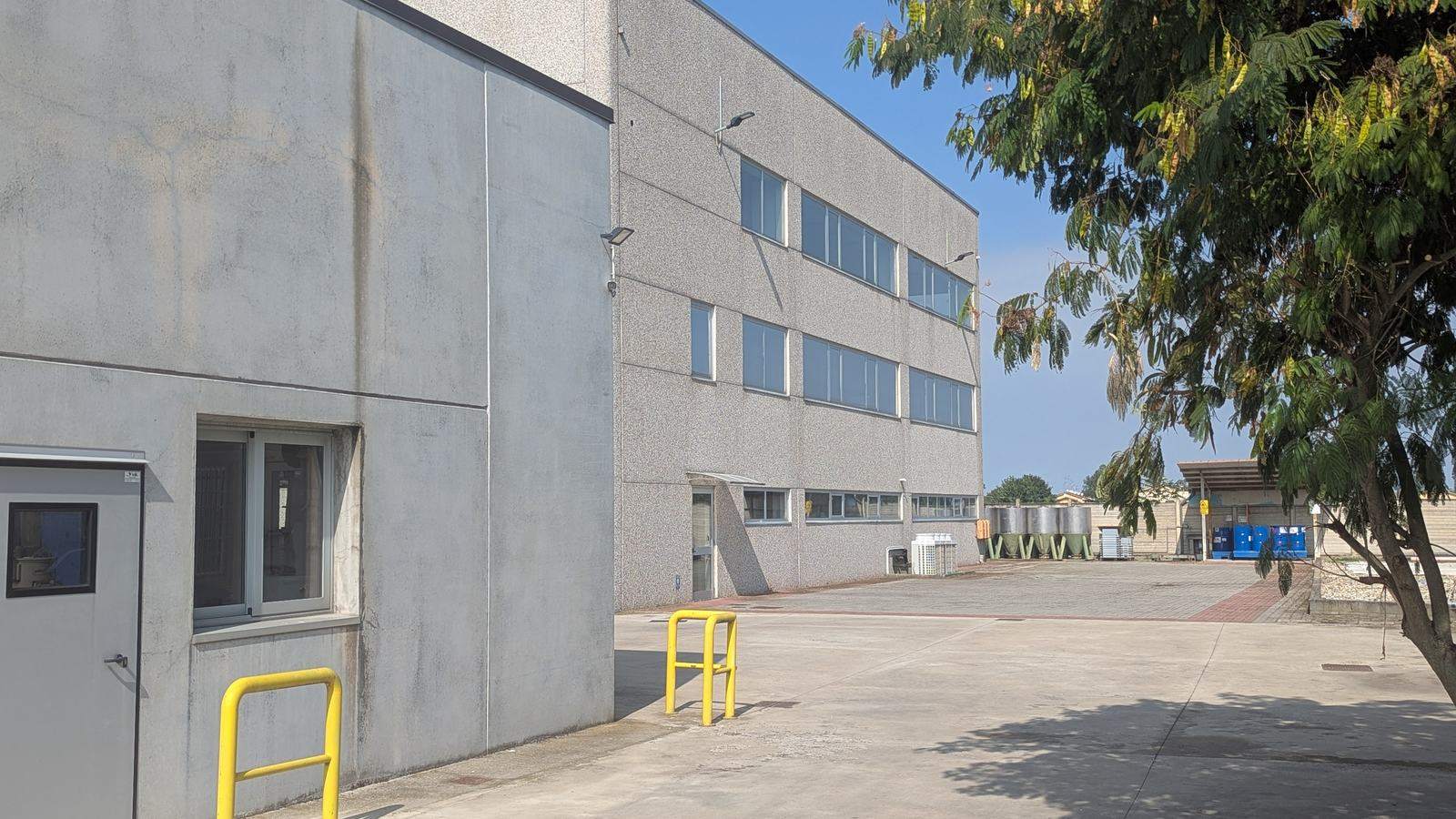
They are produced at the De Grandi plant in Tromello, in the province of Pavia, Italy, at Via Buccellati 2/4, where the jet-mill lines and the applications laboratory are located.
