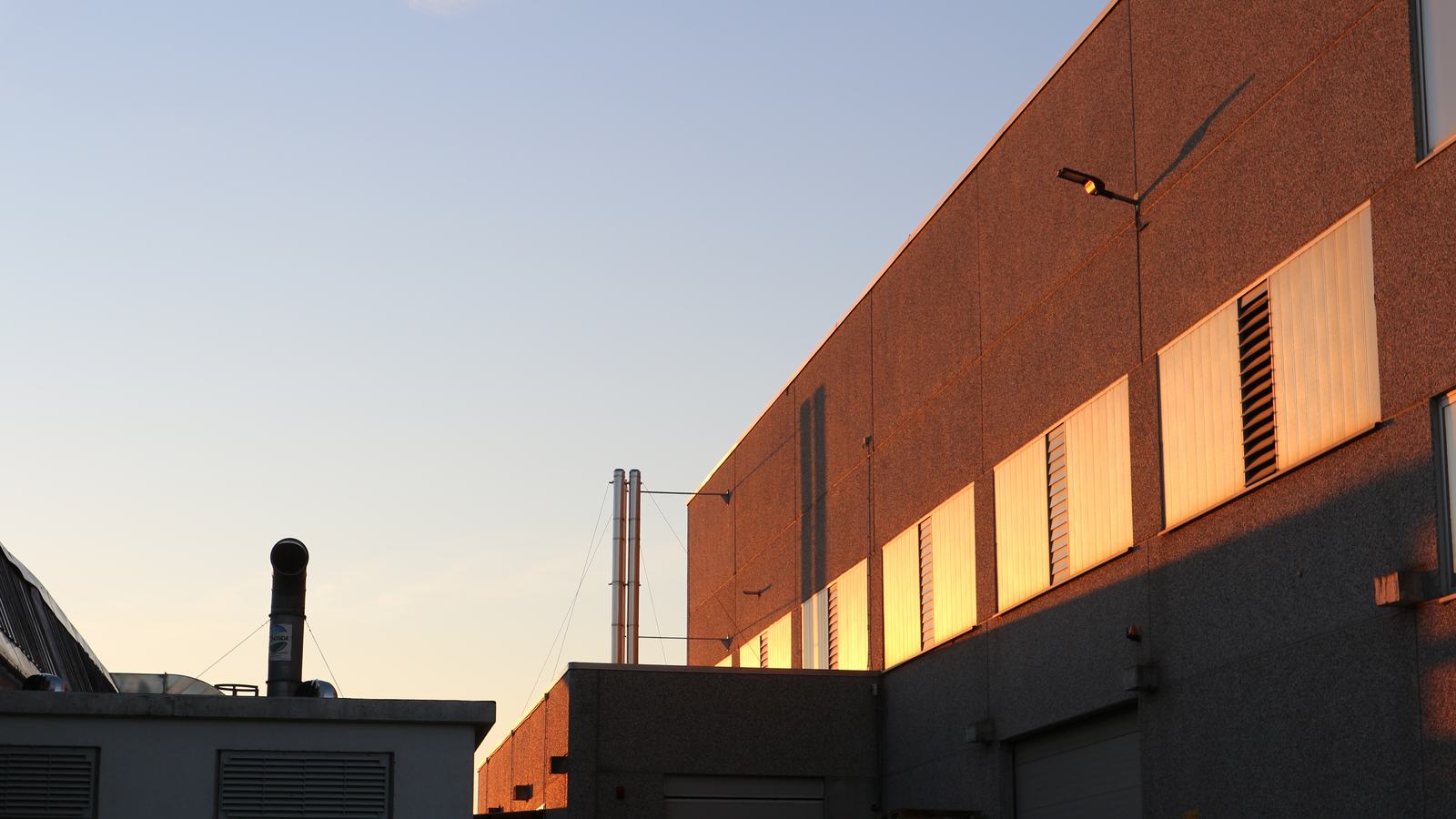
The De Grandi process
Reducing a powder to a few microns without mechanical grinding parts: particles break against each other in a compressed-air stream.
Definition
A physical process that reduces particle size down to a few microns.
Read more →The process
Compressed air, no grinding media, no contamination of the product.
Read more →The benefit
Finer powder means larger specific surface and better dispersion.
Read more →Definition
Micronization is the physical treatment that reduces the particle size of a powder, taking it from around 100 microns down to roughly one micron. It is not a chemical transformation: the material remains what it was, but its physical form changes completely.
The technology had been known for years, but it had never been applied methodically to the rubber and plastics industry. That is the intuition on which De Grandi built its business.
The process
The jet mill has no grinding media: no balls, no hammers, no blades. The particles are accelerated by a compressed-air jet and break by colliding with one another.
This has a direct consequence on quality: with no mechanical parts in contact with the material, there is no metal contamination and no wear residue in the finished powder. It is the reason why jet milling is chosen where purity matters.
Jet mill grinding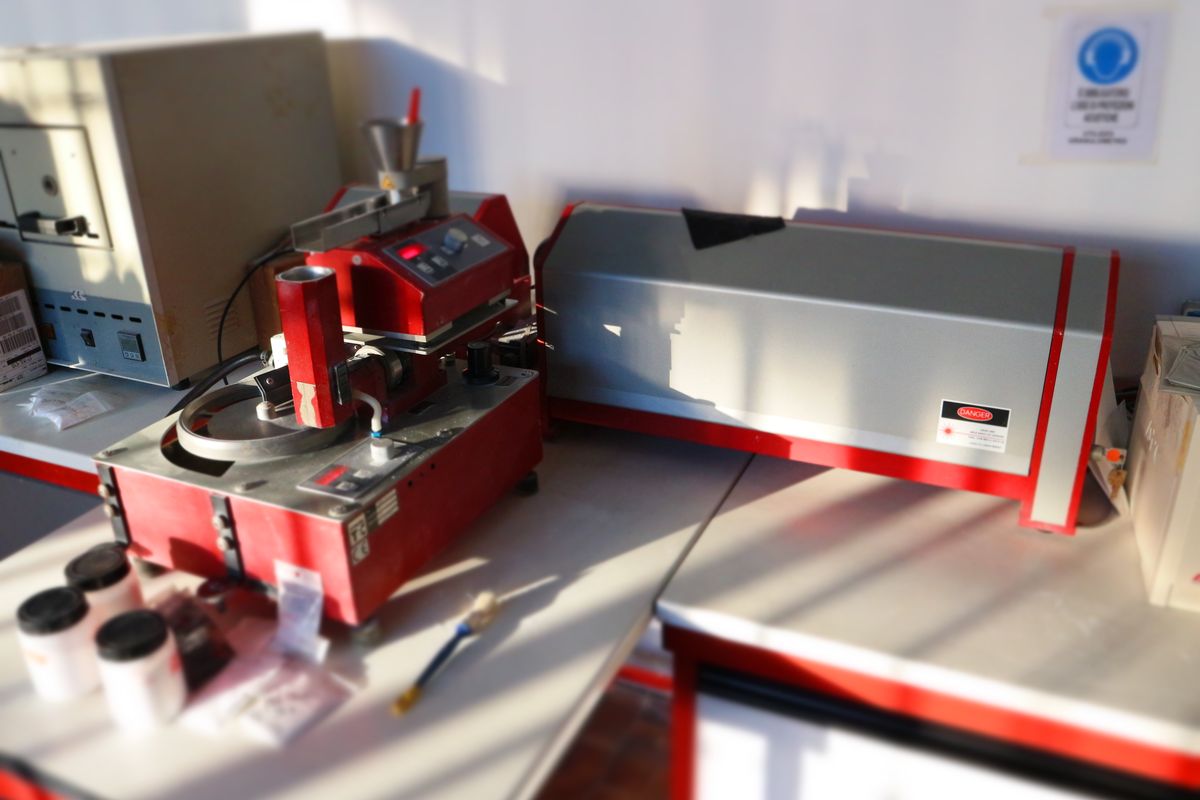
The benefit
Reducing particle size increases the specific surface area of the powder: the same weight of material offers far more surface to react and to disperse. In a compound this means a more uniform distribution of the additive and a more effective action at the same dosage.
Above roughly 45–50 microns, powders tend to form agglomerates that resist dispersion. Micronization takes the particle size well below that threshold.
Micronized powdersFAQ
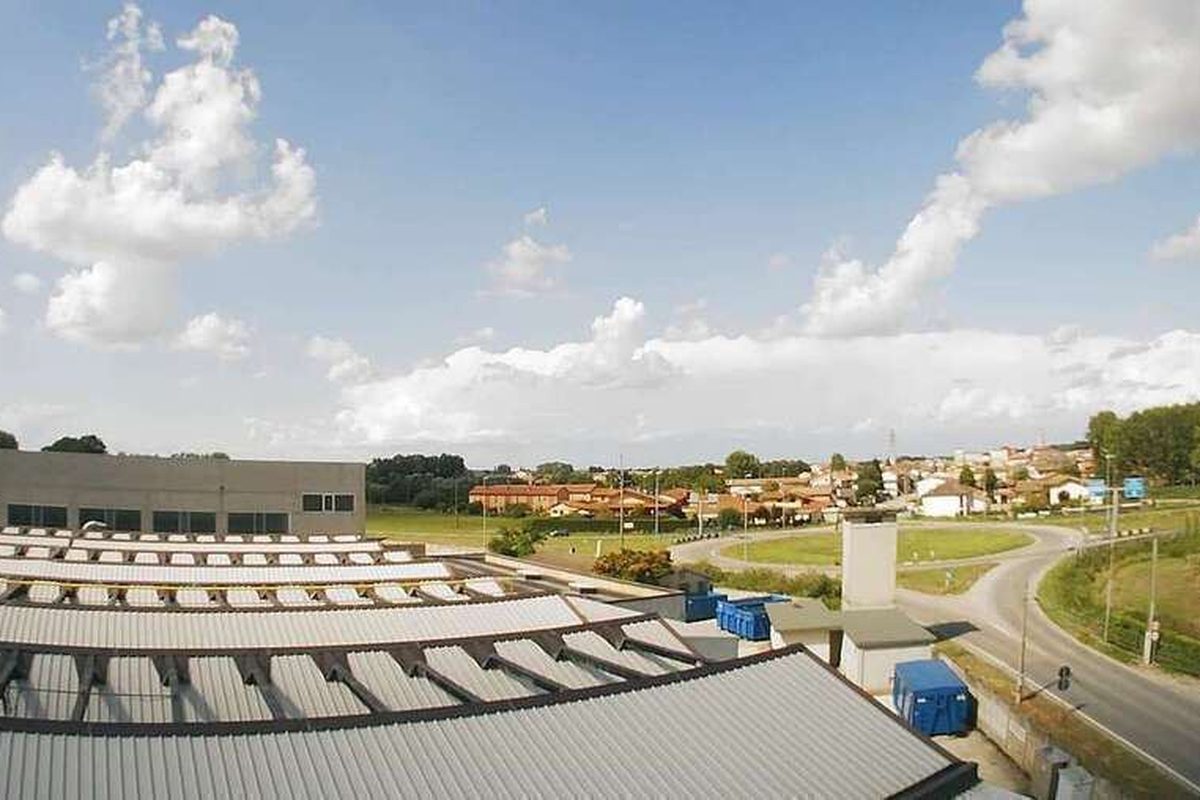
Micronization is a physical process that reduces the particle size of a powder, typically from around 100 microns down to about one micron. It does not alter the chemical nature of the material: only its physical form changes. De Grandi carries out micronization with jet-mill plants at its site in Tromello, in the province of Pavia, Italy.
In a jet mill the particles are accelerated by a compressed-air jet and break by colliding with each other. There are no grinding media — no balls, hammers or blades — so there is no mechanical part in contact with the material and therefore no metal contamination or wear residue in the finished powder.
There is no list price: the cost depends on the material, the required particle size, the quantity and the process conditions. De Grandi assesses each request individually, starting from the material and the target fineness. To obtain a quotation you can call +39 0382 868402 or write to info@degrandisrl.it.
The production site is in Tromello, in the province of Pavia, at Via Buccellati 2/4, where the jet-mill plants and the applications laboratory are based. The registered office is in Vigevano (PV), Corso Vittorio Emanuele II 24.
