Compressed-air plants
The air jet mill has no grinding media: the particles themselves break by colliding. That is why the product comes out fine and uncontaminated.
How it is built
In a conventional mill the material is crushed by moving parts: balls, hammers, blades. In a jet mill none of that exists. The powder is injected into a chamber and accelerated by jets of compressed air: the particles collide with each other at high speed and break apart.
The grinding energy therefore comes from the air, not from a mechanical component. The finer fraction is carried away by the air stream, while the coarser one keeps circulating until it reaches the target size.
The advantage
Because there are no grinding media, nothing mechanical rubs against the material. This removes at the source two problems typical of conventional milling: metal contamination of the powder and the presence of wear residue from the grinding parts.
For applications where purity is a requirement — and in technical compounds it usually is — this is the decisive reason for choosing jet milling over a mechanical mill.
Micronized powders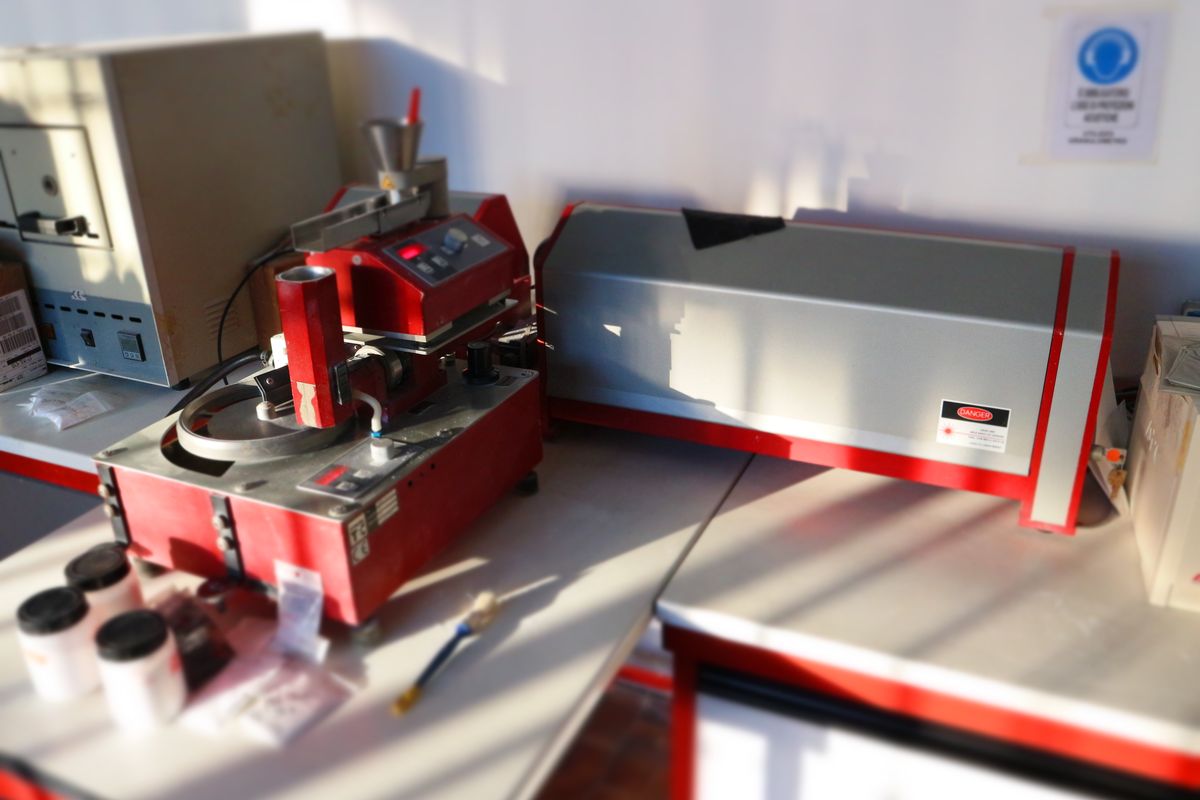
What to know
Not every material behaves in the same way under a jet mill: hardness, friability and moisture content all affect the result. Below a certain size, particles tend to stick back together rather than break further — there is a practical floor to how fine a given powder can go.
This is why a trial matters. De Grandi has a small test jet mill in its laboratory, which makes it possible to assess a material on a minimal quantity before committing to a production run.
The laboratoryFAQ
A jet mill is a grinding plant that uses compressed air instead of mechanical parts. The powder is injected into a chamber and accelerated by air jets: the particles collide with one another at high speed and break apart. There are no balls, hammers or blades involved.
Because no mechanical part comes into contact with the material. In a conventional mill the grinding media rub against the powder and can release metal particles and wear residue. In a jet mill the grinding energy comes from the air, so the finished powder stays clean.
There is no list price. The cost depends on the material, the target particle size, the quantity involved and the process conditions required. De Grandi assesses each request individually: you can call +39 0382 868402 or write to info@degrandisrl.it.
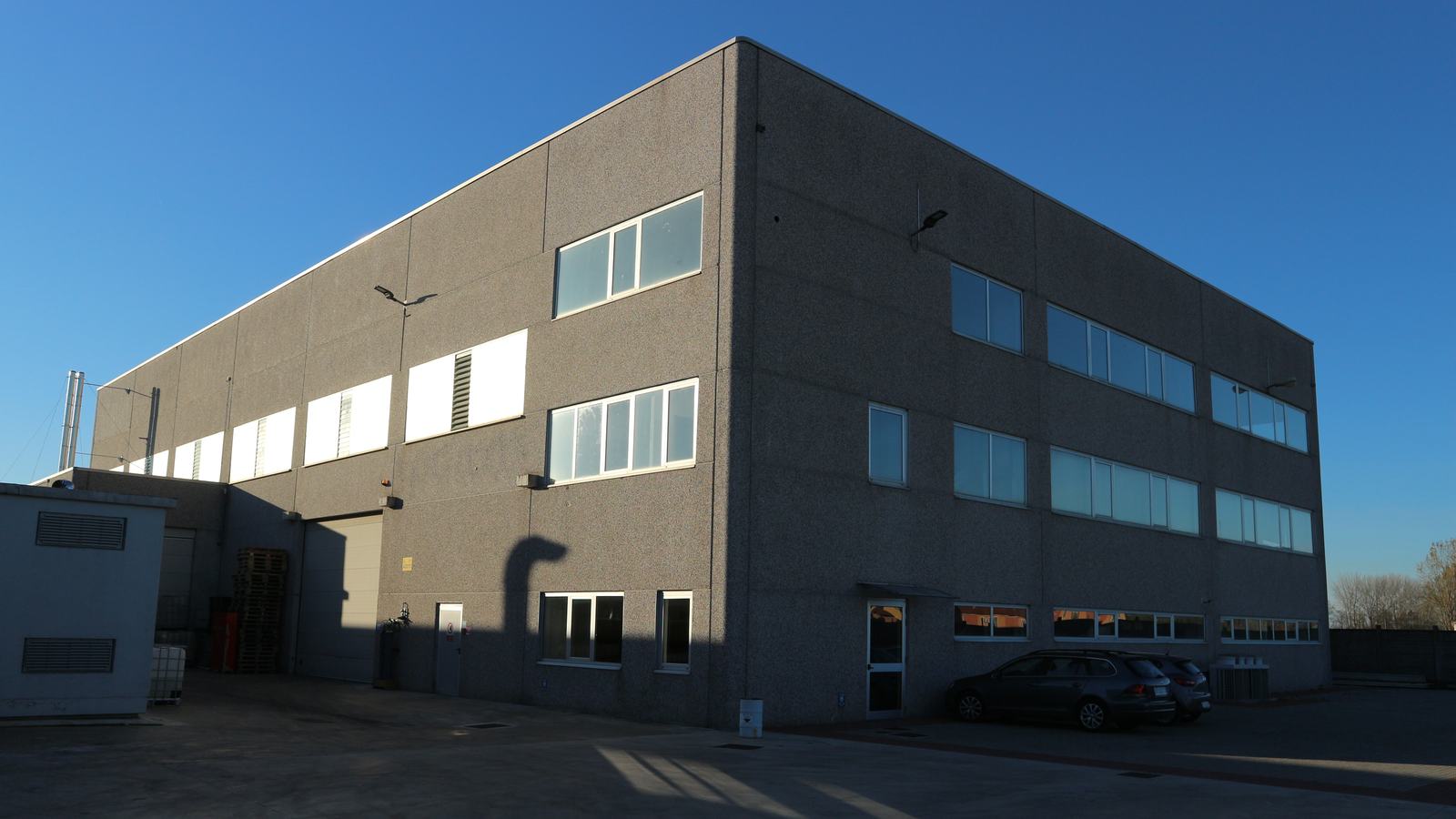
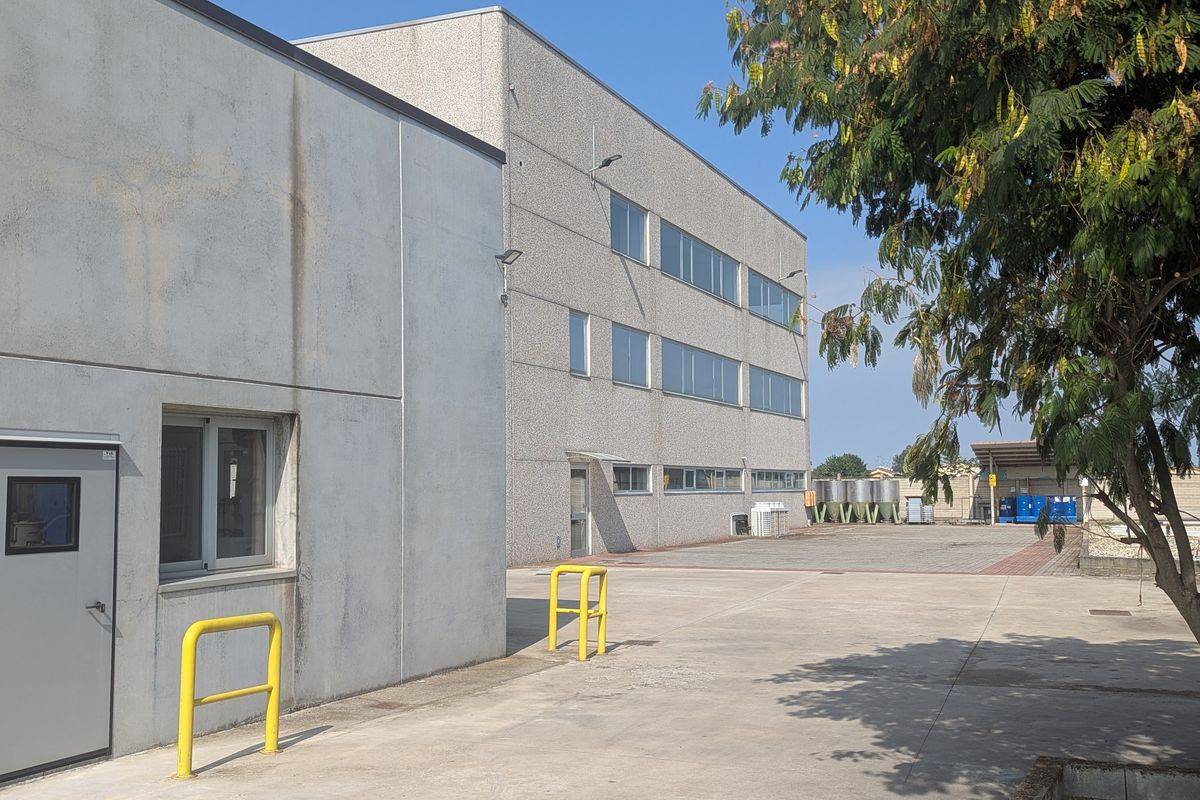
The jet-mill plants are at the De Grandi production site in Tromello, in the province of Pavia, Italy, at Via Buccellati 2/4. The company has been micronizing there since the 1990s.
